Example: loss of transponder - AXM Plus
In this example, we see the lost transponder belonging to Mr. Maier is blocked in a partially networked system, and the blocking is confirmed by the locking devices.
Synopsis of the example
- The admin blocks the lost transponder.
- The AXM Plus stores a blocked ID in the database.
- Another person (Ms. Schneider) enters the building through the entrance door.
- The gateway checks if the database contains current information for Ms Schneider's transponder.
- The database informs the gateway that a blocked ID exists for ‘Maier’.
- The gateway transfers the blocked ID for “Maier” to Ms. Schneider’s transponder.
- Ms Schneider's transponder transmits the locked ID for "Maier" to a SmartHandle AX where it is activated.
- The SmartHandle AX confirms to the transponder that it has blocked “Maier”.
- Ms. Schneider’s transponder transmits the blocked ID for “Maier” to other locking devices and also receives confirmations.
- Ms. Schneider leaves the building through another door. Your transponder informs the gateway that the blocking for "Maier" has arrived at SmartHandle AX and at the locking cylinder.
- The gateway transfers this information to the database.
- The admin sees that “Maier” has been blocked on SmartHandle AX and on the other locking devices.
1. Part: Blocking in AXM Plus, transmission to gateways and networked locking devices
The admin has learned of the loss and blocks the transponder in the AXM Plus. A blocked ID is created in the database for the "Maier transponder".
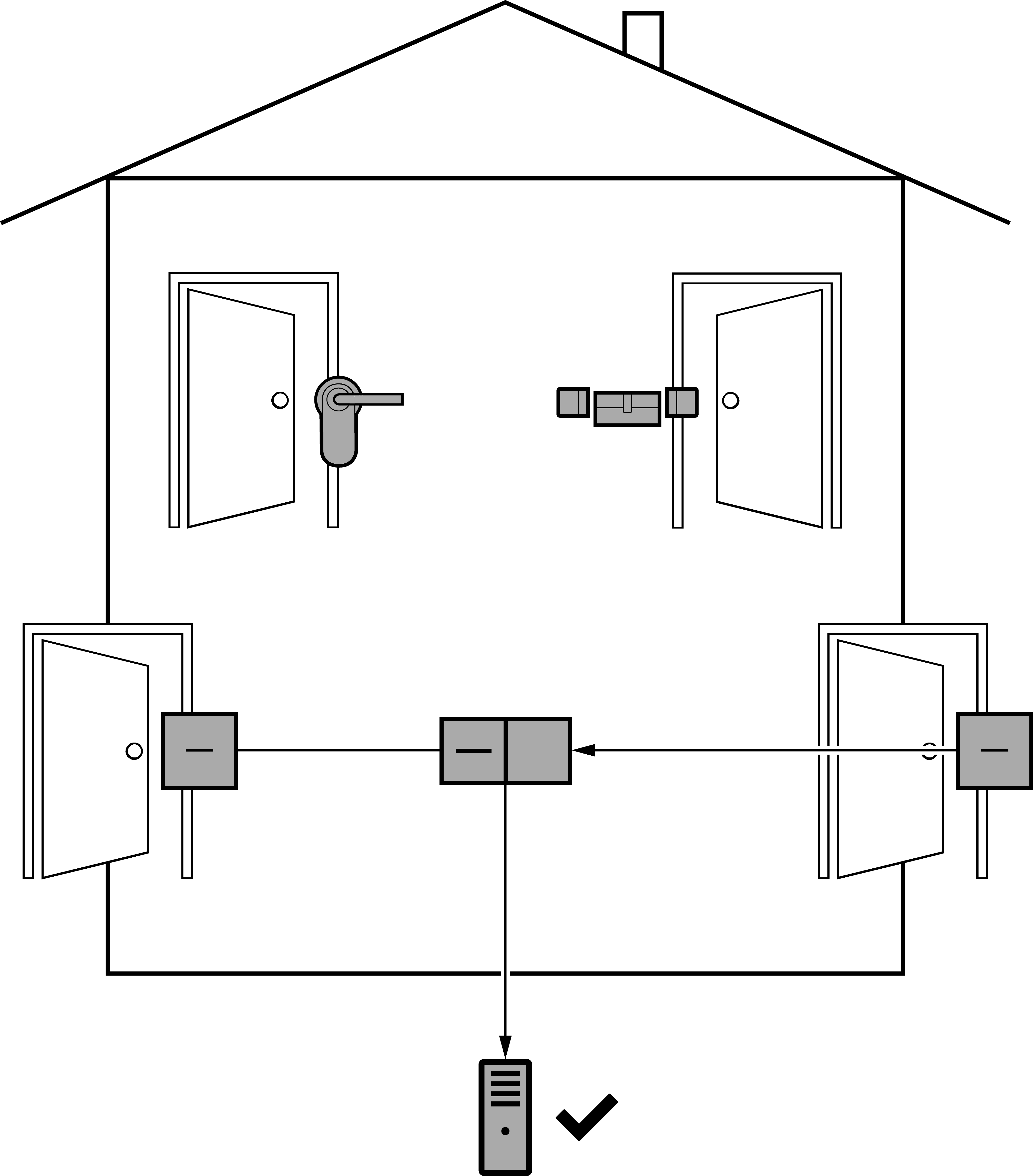
The AXM Plus saves a blocked ID for “Maier” in the database. As the system is partially networked, the transponder is immediately blocked at critical external doors (that are networked via WaveNet or Ethernet).
Even after the admin computer has been shut down, the blocking information remains in the database.
Part 2: Transmission to transponders and propagation within the building
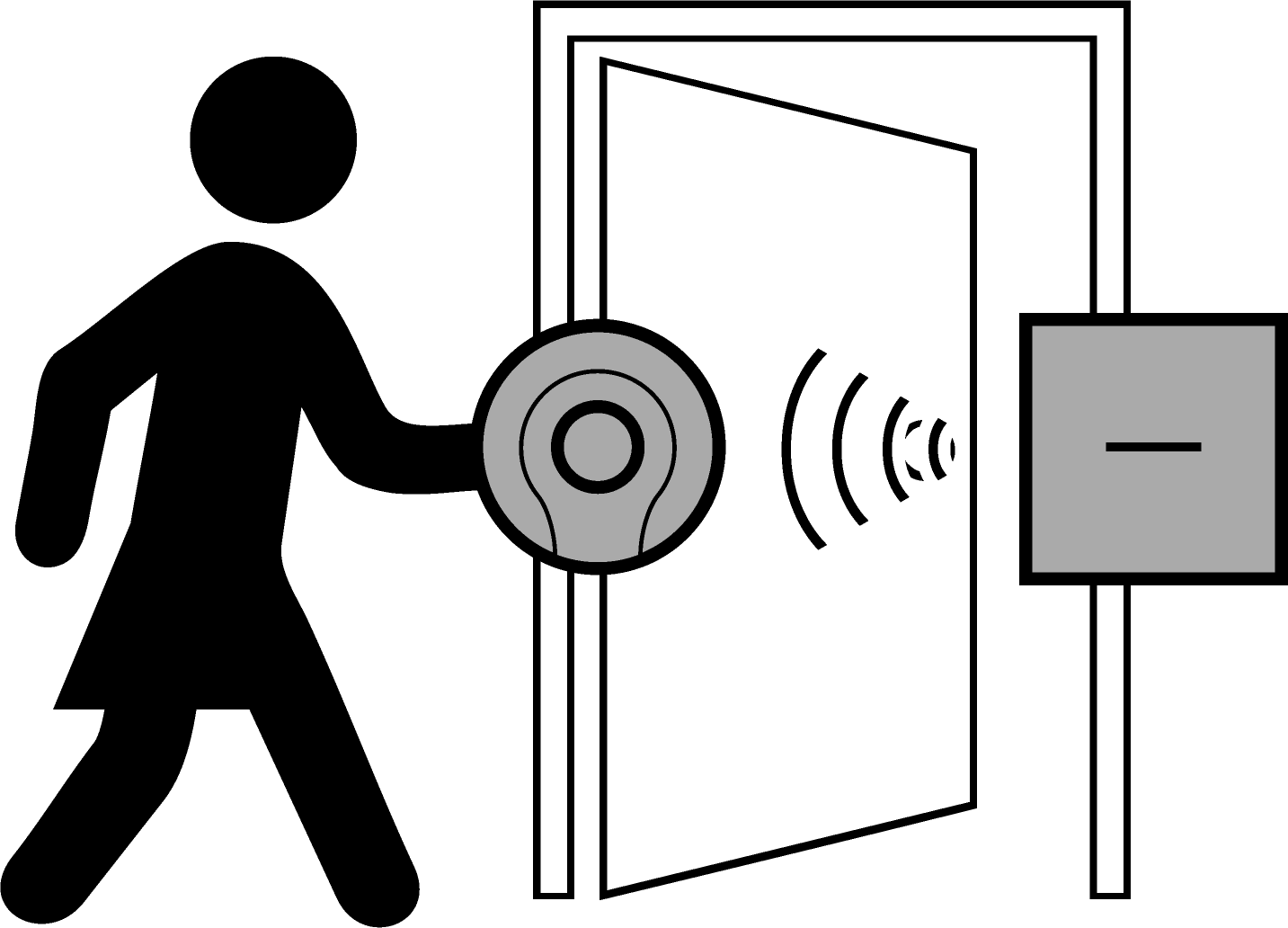
Later, when Ms. Schneider opens an outside door with her transponder SmartRelais 3 Advanced, her transponder also receives the information that Mr. Maier’s old transponder is now blocked throughout the entire locking system.
Ms Schneider continues to her department and presents her transponder to open the door. In doing so, she informs the installed SmartHandle AX that "Maier" is blocked. The SmartHandle AX stores the confirmation that it has received the information on the transponder. During the course of the day, Ms. Schneider passes by other doors. They also receive the information about the blocking and confirm it.
Part 3: Returning the blocked IDs back to the database
At the end of the day, Ms Schneider leaves the building and swipes her transponder at another gateway to access the underground car park. The transponder communicates with the gateway once again and informs that the blocking of "Maier" has now been received by the SmartHandle AX and the locking cylinder.
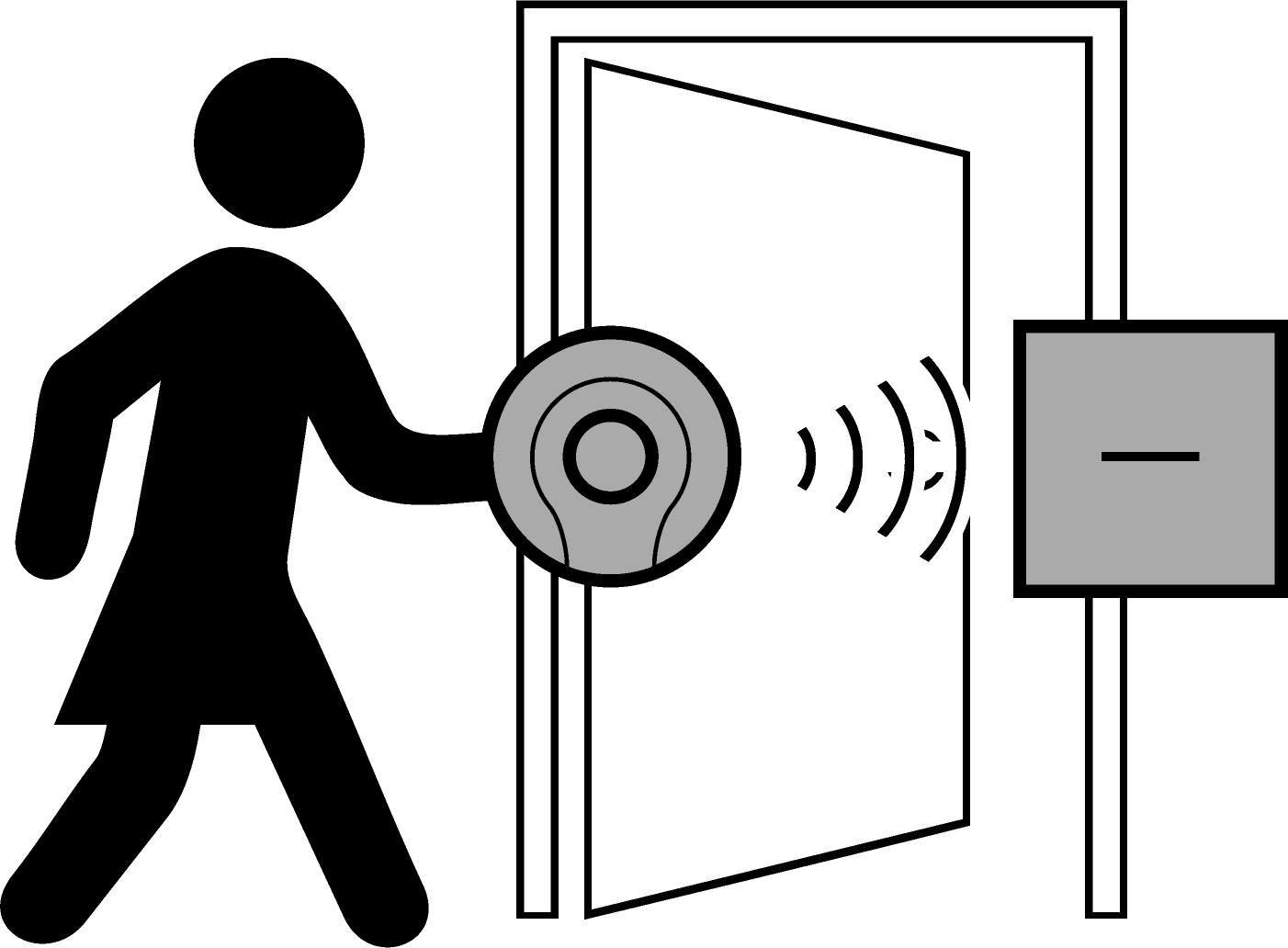
The gateway notifies the database that the Schneider transponder was just there and to which locking devices the blocked ID was transmitted.
The next time the AXM Plus is opened, the administrator can see which locking devices have already been notified about the blocking and which doors must still be notified.
Additional information
Naturally, the locking system administrator also has a transponder that can carry blocked IDs. The administrator no longer needs to bring a laptop or programming device to the not-blocked locking devices; they can conveniently use their personal transponder, just like Ms Schneider. As the blocked IDs are transferred to the locking devices regardless of authorisations, this method is effective even if the transponder does not have authorisation for the specific door.