Example: authorisation change - AXM Plus
Mr Miller has been promoted and will continue to work in the laboratory in the future. In our scenario, Mr Miller will pass by the entrance door, where the gateway will write his new authorisation to his transponder.
This means that Mr Miller can then also enter the laboratory.
The locking system administrator has been informed of Miller’s promotion and issues him with authorisation for the laboratory.
The AXM Plus saves the new authorisation for “Miller” in the database.
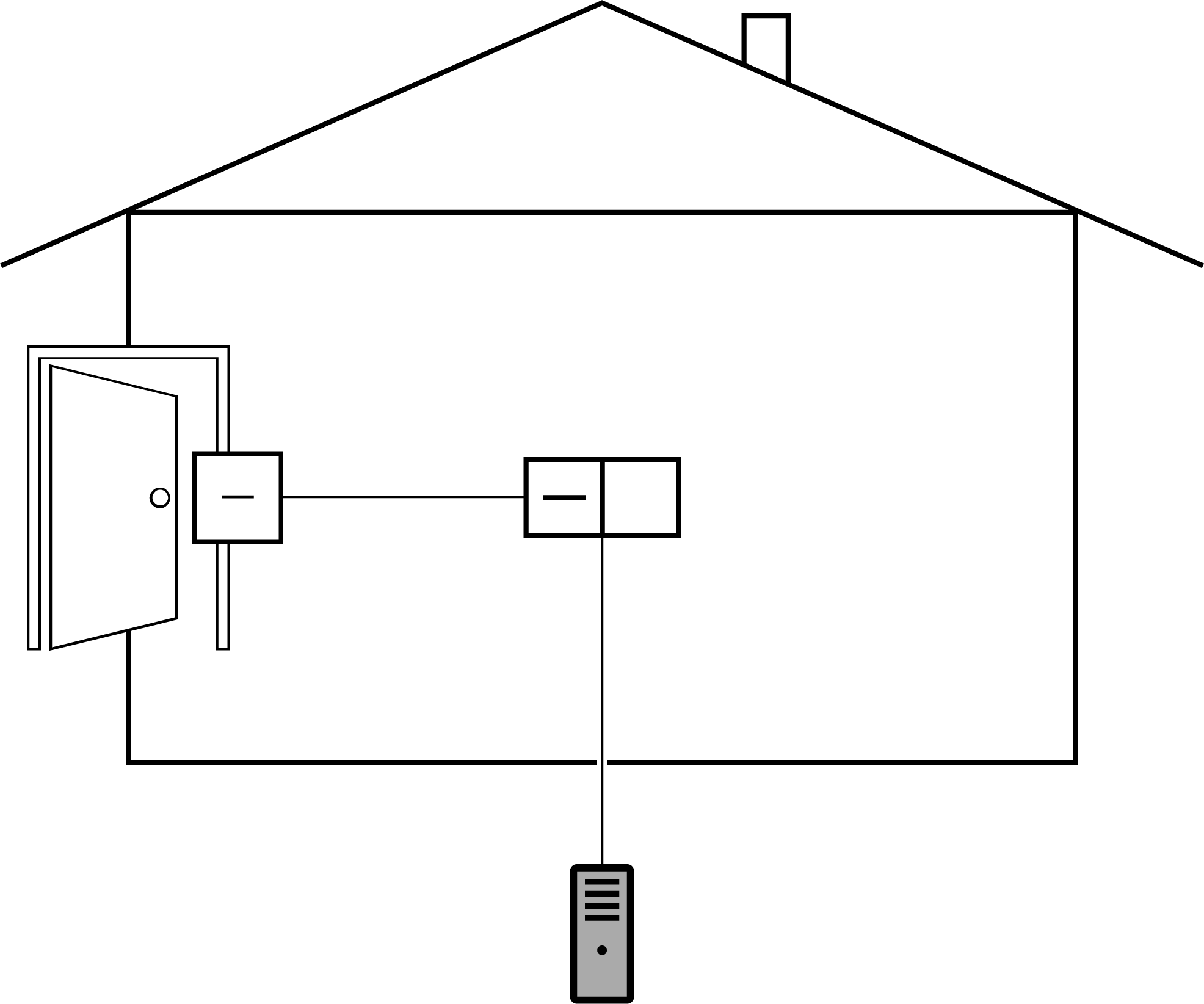
The locking system administrator shuts off his computer and leaves the building. The new authorisation for “Miller” remains saved in the database.
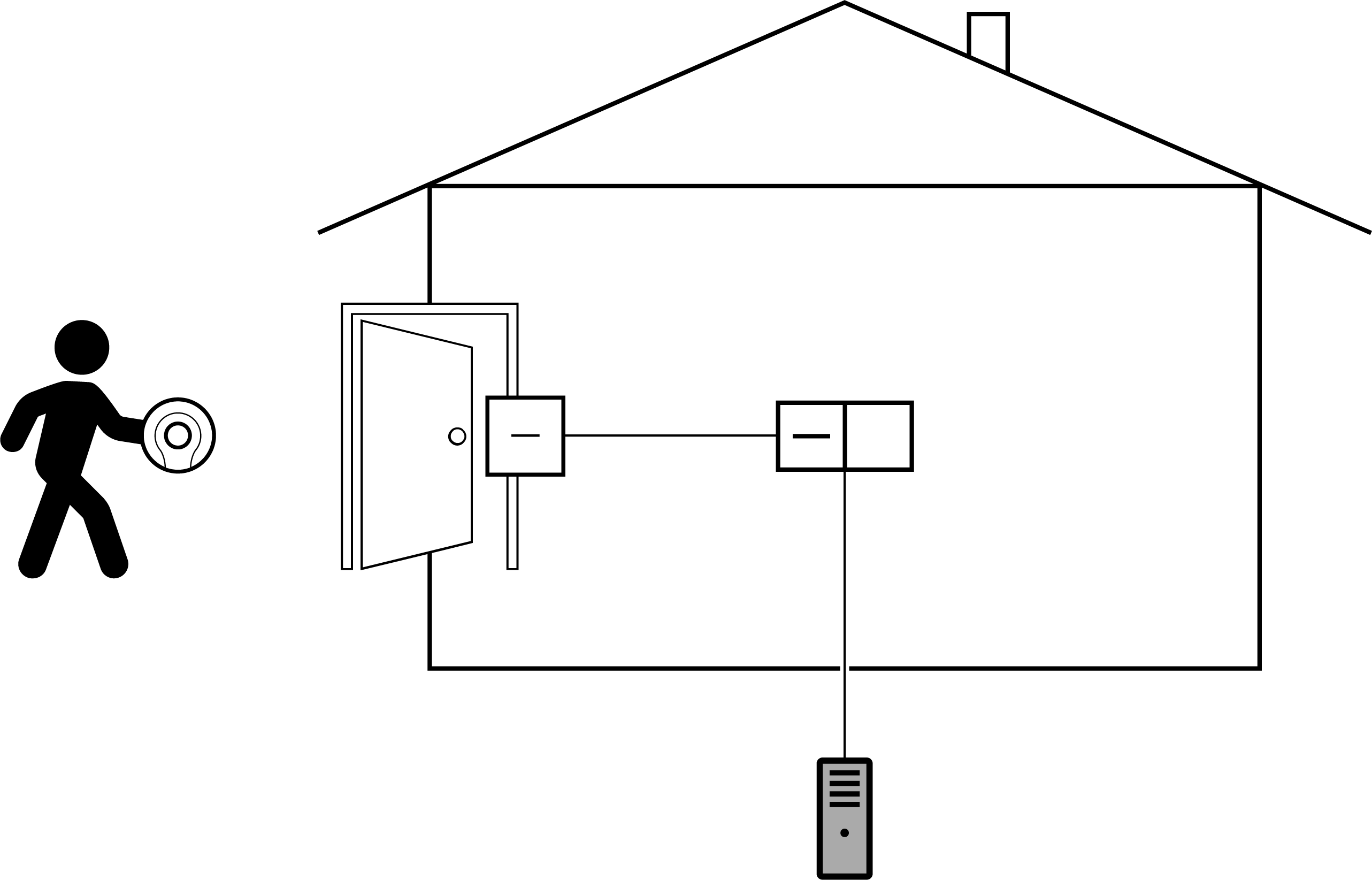
Mr Miller comes to the building with his transponder and wants to enter through the entrance door.
Mr Miller presents his transponder at the entrance door to access the building. The transponder communicates with the gateway.
The gateway reports to the database that Mr Miller is currently on site and asks whether any information needs to be transferred.
The database informs the gateway that there is a new authorisation for “Miller”.
The gateway opens the door and gives Mr Miller’s transponder an up-to-date locking plan with authorisation for the laboratory.
Thanks to the new locking plan and the G2 protocol, Mr Miller’s transponder can now also open the locking device in the laboratory.
Mr Miller can enter the laboratory without the locking system administrator needing to take the programming device to Mr Miller’s transponder or to the laboratory locking device.